QualCert Level 6 Diploma in Medicinal Chemistry (D Medicinal Chemistry)
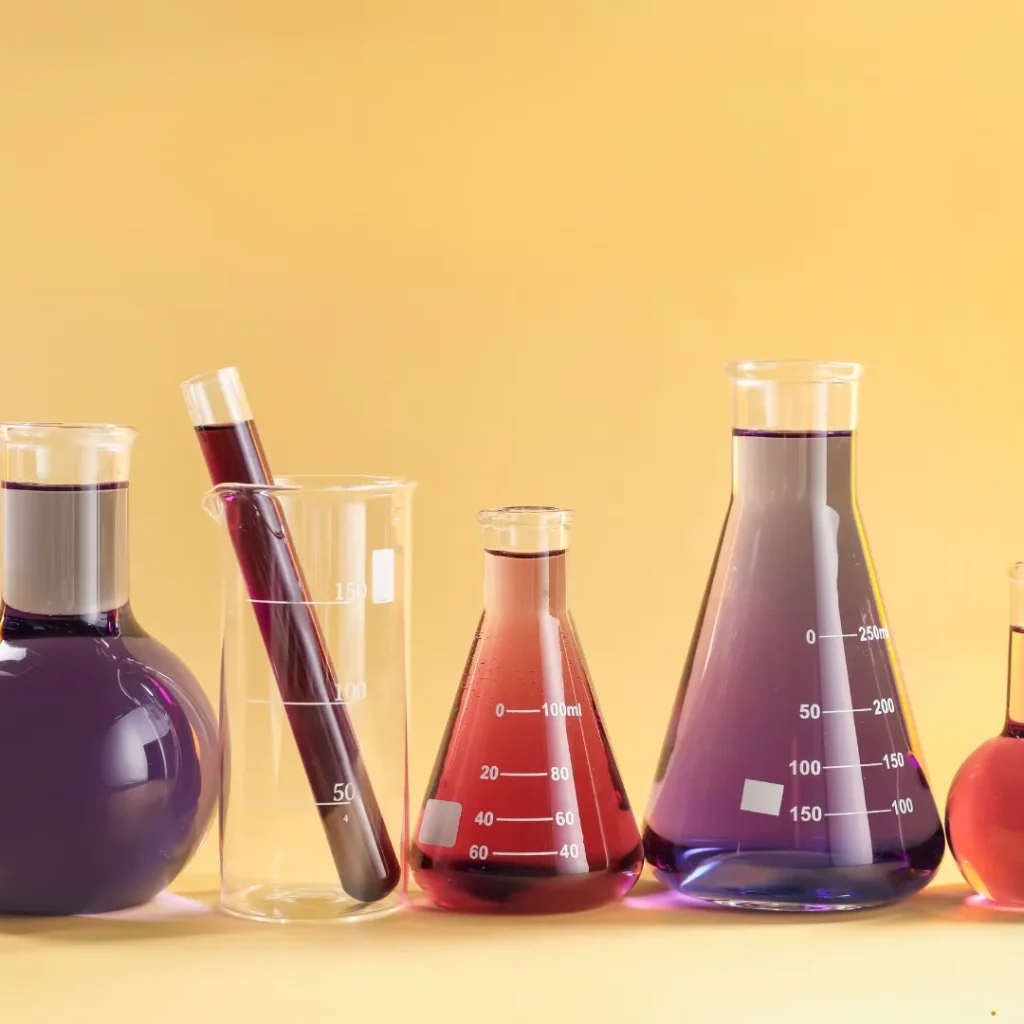
The QualCert Level 6 Diploma in Medicinal Chemistry is an advanced professional qualification designed for individuals seeking to understand how drugs are discovered, designed, and developed at the molecular level. Its primary purpose is to equip chemists, pharmacologists, and pharmaceutical professionals with the advanced knowledge required to contribute to drug discovery pipelines, optimize lead compounds, and understand the structure-activity relationships that determine therapeutic success.
By completing this diploma, learners gain a significant professional advantage, positioning themselves at the heart of pharmaceutical innovation. The course enhances your ability to analyze molecular structures, predict drug behavior, and understand the chemical principles behind modern therapeutics. This specialized knowledge not only increases your technical competence but also boosts your professional credibility, opening doors to advanced roles in pharmaceutical research and development, academic research laboratories, and drug design teams within the global pharmaceutical industry.
Beyond career advancement, this Level 6 Diploma offers profound practical benefits for your daily scientific practice. You will learn to interpret complex chemical data, apply computational methods to drug design, and understand the synthetic pathways used to produce modern medicines. Whether you are looking to enhance your contribution to drug discovery projects, improve your understanding of pharmacokinetics and toxicology, or simply stay at the cutting edge of medicinal science, this course provides the specialized toolkit necessary to excel in the field of medicinal chemistry.
Course Overview
Awarding Body
QualCert
Credits
120 Credits
Study Mood
Online
Assessment
Assignments Based
Course Study Units
- Advanced Principles of Medicinal Chemistry
- Drug Design and Molecular Modelling
- Synthetic and Analytical Chemistry Techniques
- Pharmacokinetics and Drug Metabolism
- Regulatory, Quality, and Safety in Medicinal Chemistry
- Emerging Trends and Innovation in Medicinal Chemistry

Entry Requirements
Who Can Enroll
This program is designed for science professionals ready to specialize in the chemistry behind drug discovery and development.
- Currently working as a chemist, research scientist, or laboratory analyst
- Holds a degree in chemistry, biochemistry, or pharmaceutical sciences
- Works in research labs, drug discovery teams, or pharmaceutical development
- Wants to understand how molecular structure affects drug action
- Looking to move into drug design or chemical research roles
Course Learning Outcomes
Advanced Principles of Medicinal Chemistry
- Demonstrate comprehensive knowledge of drug-receptor interactions and molecular mechanisms
- Analyse pharmacodynamics and chemical biology principles in therapeutic contexts
- Evaluate complex medicinal compounds and their biological effects
- Apply advanced scientific reasoning to problem-solving in medicinal chemistry
Drug Design and Molecular Modelling
- Explain the principles of rational drug design and structure-activity relationships (SAR)
- Apply computational chemistry techniques to predict compound activity
- Analyse molecular models for optimisation of chemical compounds
- Evaluate innovative approaches in drug discovery and design
Synthetic and Analytical Chemistry Techniques
- Demonstrate proficiency in chemical synthesis and purification of medicinal compounds
- Apply advanced analytical techniques including spectroscopy and chromatography
- Interpret experimental data accurately and critically
- Evaluate laboratory procedures for efficiency, safety, and quality control
Pharmacokinetics and Drug Metabolism
- Explain ADME processes and their significance in drug development
- Analyse pharmacokinetic data to optimise therapeutic outcomes
- Evaluate the impact of metabolism on drug efficacy and safety
- Apply pharmacokinetic principles to real-world medicinal chemistry scenarios
Regulatory, Quality, and Safety in Medicinal Chemistry
- Demonstrate understanding of regulatory requirements and compliance standards
- Apply quality assurance and risk management principles in chemical and pharmaceutical settings
- Evaluate safety procedures in laboratory and industrial environments
- Analyse regulatory frameworks for global medicinal chemistry applications
Emerging Trends and Innovation in Medicinal Chemistry
- Analyse emerging therapies, precision medicine, and green chemistry techniques
- Evaluate innovative solutions for complex medicinal chemistry challenges
- Forecast future trends in drug discovery, development, and chemical research
- Apply critical thinking to integrate scientific advancements into professional practice