QualCert Level 6 Diploma in Shipping Finance
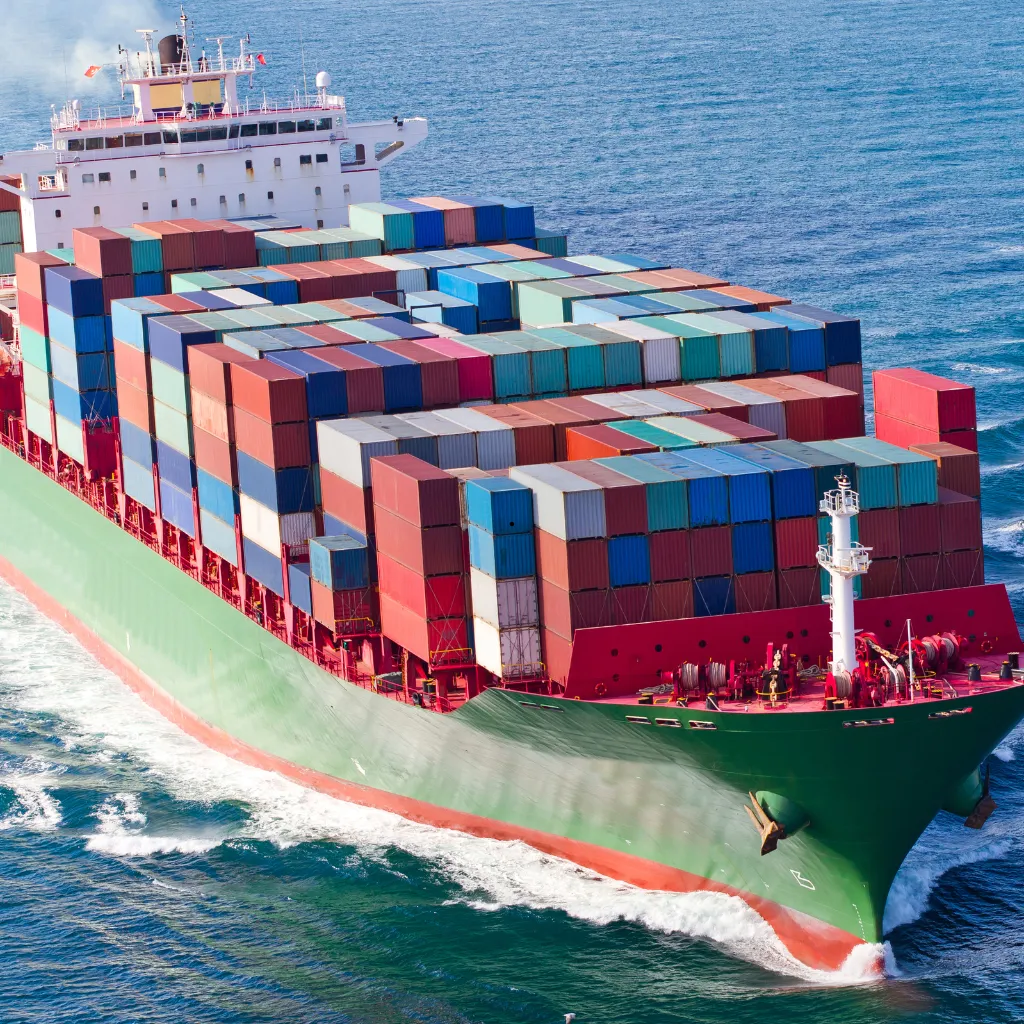
The QualCert Level 6 Diploma in Shipping Finance is an advanced, career-focused qualification designed for professionals seeking expertise in maritime finance, international shipping economics, and global trade financial management. This high-level diploma equips learners with the strategic knowledge and analytical skills required to manage financial operations within shipping companies, freight organizations, port authorities, and international trade businesses.
The course provides in-depth understanding of shipping finance principles, including freight costing, marine insurance, risk management, vessel financing, budgeting, investment decisions, and global trade payment systems. Learners also explore financial reporting, cost control strategies, and economic factors affecting the maritime and logistics industries, enabling them to make informed financial decisions in complex shipping environments.
Ideal for finance professionals, shipping executives, logistics managers, and individuals aspiring to senior roles in maritime and trade finance, this qualification bridges the gap between financial management and the global shipping industry. It enhances critical thinking, decision-making, and leadership capabilities in a highly competitive international sector.
Upon completion, candidates will be well-prepared for senior-level positions in shipping finance departments, multinational logistics companies, banking institutions, and maritime organizations. The QualCert Level 6 Diploma in Shipping Finance is a valuable credential for those aiming to advance their careers in global maritime finance and international trade management.
Course Overview
Awarding Body
QualCert
Credits
120
Study Mode
Online
Assessment
Assignment Based
Course Study Units
- Strategic Shipping Finance and Investment Decisions
- Ship Acquisition, Leasing and Capital Structures
- Advanced Marine Insurance and Risk Management
- International Financial Regulations and Compliance in Shipping
- Financial Modelling, Forecasting and Performance Analysis in Shipping
- Research Project in Shipping Finance and Global Trade

Entry Requirements
Who Can Enroll
The QualCert Level 6 Diploma in Shipping Finance is aimed at professionals and advanced learners who wish to progress into senior roles within the maritime and financial sectors.
- Shipping and maritime industry professionals seeking senior-level expertise
- Finance officers, accountants, and analysts working in shipping or logistics companies
- Port and terminal management staff involved in financial operations
- Freight forwarding and supply chain professionals looking to specialize in finance
- Graduates in business, finance, economics, or maritime studies aiming for specialization
- Banking and investment professionals interested in maritime and trade finance
Course Learning Outcomes
Strategic Shipping Finance and Investment Decisions
- Analyse the strategic role of finance in global shipping operations
- Evaluate investment opportunities in vessel acquisition and fleet expansion
- Apply advanced financial decision-making models to shipping projects
- Assess the impact of financial risks on long-term investment strategies
- Demonstrate knowledge of capital budgeting techniques in shipping
- Critically evaluate case studies of shipping finance decisions
- Develop strategies for sustainable financial growth in maritime firms
Ship Acquisition, Leasing and Capital Structures
- Explain advanced methods of financing ship acquisition
- Analyse the advantages and disadvantages of leasing arrangements
- Evaluate capital structures used in shipping companies
- Apply knowledge of debt and equity financing to shipping projects
- Assess the impact of financing choices on company performance
- Demonstrate understanding of international ship finance markets
- Critically evaluate case studies of ship acquisition and leasing
Advanced Marine Insurance and Risk Management
- Analyse the role of marine insurance in advanced shipping finance
- Evaluate complex risk management strategies in maritime operations
- Apply knowledge of insurance law to financial decision-making
- Assess the financial implications of claims and disputes
- Demonstrate understanding of reinsurance and global insurance markets
- Critically evaluate case studies of marine insurance in practice
- Develop strategies for managing financial risks in shipping
International Financial Regulations and Compliance in Shipping
- Demonstrate advanced knowledge of international financial regulations
- Analyse the impact of Basel, FATF, and other frameworks on shipping finance
- Apply compliance requirements to shipping finance operations
- Evaluate the role of governance in financial decision-making
- Assess the consequences of non-compliance in global shipping markets
- Critically evaluate regulatory frameworks in different jurisdictions
- Develop strategies for ensuring compliance in complex financial environments
Financial Modelling, Forecasting and Performance Analysis in Shipping
- Apply advanced financial modelling techniques to shipping operations
- Analyse financial statements of shipping companies
- Evaluate forecasting methods for revenue and cost projections
- Assess the impact of financial ratios on performance analysis
- Demonstrate knowledge of scenario planning and sensitivity analysis
- Critically evaluate financial performance in case studies
- Develop financial models to support strategic decision-making
Research Project in Shipping Finance and Global Trade
- Identify a relevant research topic in shipping finance
- Formulate clear research objectives and methodology
- Conduct independent research using appropriate sources
- Analyse and interpret financial data to support findings
- Apply critical thinking to evaluate research outcomes
- Present research in a structured and professional format
- Demonstrate the ability to link research to industry practice