Advanced Nutritional Sciences Diploma (Level 7): Empowering Health Leaders
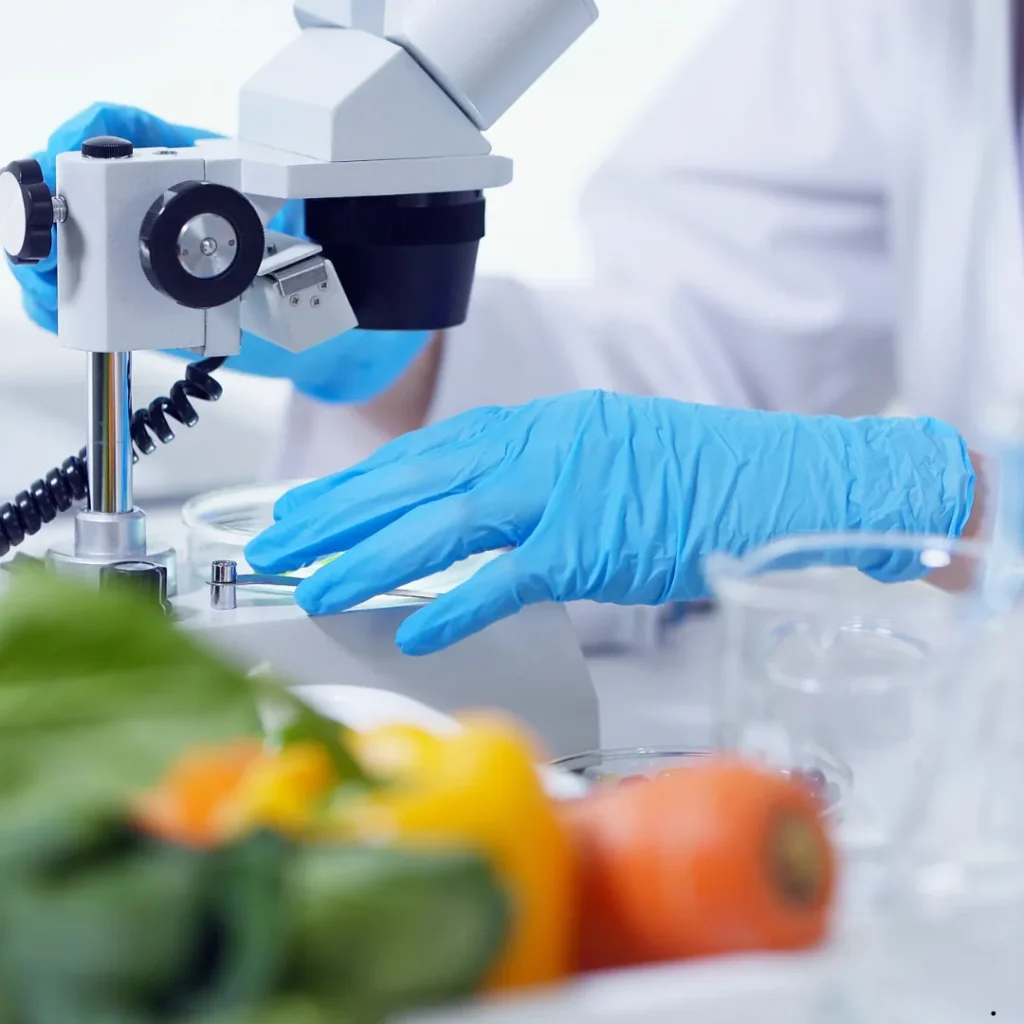
The QualCert Level 7 Postgraduate Diploma in Nutritional Sciences (PgD Nutritional Sciences) is designed for professionals who want to advance their expertise in the science of nutrition and its application to health and wellbeing. The program covers biochemical, physiological, and clinical aspects of nutrition, and nutritional strategies. With a strong focus on evidence-based practice and analytical skills, participants gain the applied knowledge needed to address complex nutritional challenges across diverse populations and professional contexts.
This diploma offers a structured pathway for those seeking to strengthen their competence in nutritional sciences. Learners will engage with pressing issues such as diet-related diseases, public health nutrition, food safety, and sustainable dietary practices. The curriculum emphasizes practical relevance through case studies, applied projects, and interactive learning, ensuring that participants can connect theoretical knowledge with real-world applications in the nutrition and health sectors.
By completing the program, graduates will be equipped with advanced skills to design, implement, and evaluate nutritional interventions that promote health, prevent disease, and support overall wellbeing. This qualification empowers professionals to contribute meaningfully to public health initiatives, clinical practice, and industry innovation, positioning them as leaders in the evolving field of nutritional sciences.
Course Overview
Awarding Body
QualCert
Credits
120 Credits
Study Mood
Online
Assessment
Assignments Based
Course Study Units
- Advanced Nutritional Biochemistry
- Nutritional Physiology and Metabolism
- Diet, Disease and Preventive Nutrition
- Food Science, Safety and Innovation
- Research Methods in Nutritional Sciences
- Dissertation / Applied Research Project in Nutritional Sciences

Entry Requirements
Who Can Enroll
The QualCert Level 7 Postgraduate Diploma in Nutritional Sciences (PgD Nutritional Sciences) is designed for professionals who want to advance their expertise in nutrition and health.
- Age 21+ with academic or professional background
- Professionals in nutrition, food science, or health sectors
- Individuals working in healthcare, wellness, or food industries
- Practitioners interested in evidence-based dietary strategies
- Learners motivated to explore public health and sustainable nutrition
- Those eager to enhance competence in nutritional science and application
Course Learning Outcomes
Advanced Nutritional Biochemistry
- Critically analyse biochemical processes underlying human nutrition
- Evaluate the role of macronutrients and micronutrients in metabolic pathways
- Examine nutrient interactions and their effects on health and disease
- Apply biochemical knowledge to develop evidence-based nutritional strategies
Nutritional Physiology and Metabolism
- Assess physiological processes related to energy balance and metabolism
- Critically evaluate how diet influences metabolic health and chronic disease
- Analyse physiological responses to nutritional interventions
- Apply advanced physiological knowledge to clinical and public health practice
Diet, Disease and Preventive Nutrition
- Examine relationships between diet, disease risk, and health outcomes
- Develop evidence-based dietary interventions for prevention and management
- Critically evaluate epidemiological and clinical nutrition research
- Apply nutritional science to support population health and wellbeing
Food Science, Safety and Innovation
- Understand food composition, processing, and safety standards
- Evaluate innovations in functional foods and nutritional products
- Assess the impact of food technology on health and dietary patterns
- Apply scientific principles to improve food quality and safety
Research Methods in Nutritional Sciences
- Apply advanced qualitative and quantitative research methods in nutrition
- Critically review and interpret scientific literature
- Design and implement ethical research studies in nutritional sciences
- Analyse and present data to support evidence-based practice
Dissertation / Applied Research Project in Nutritional Sciences
- Conduct independent postgraduate-level research in nutritional sciences
- Demonstrate advanced problem-solving and critical thinking skills
- Apply research findings to practical and theoretical contexts
- Produce a comprehensive dissertation with actionable recommendations for policy, practice, or further research