OSHAA 30-Hours Diploma in Emergency Operations and Safety at Sea
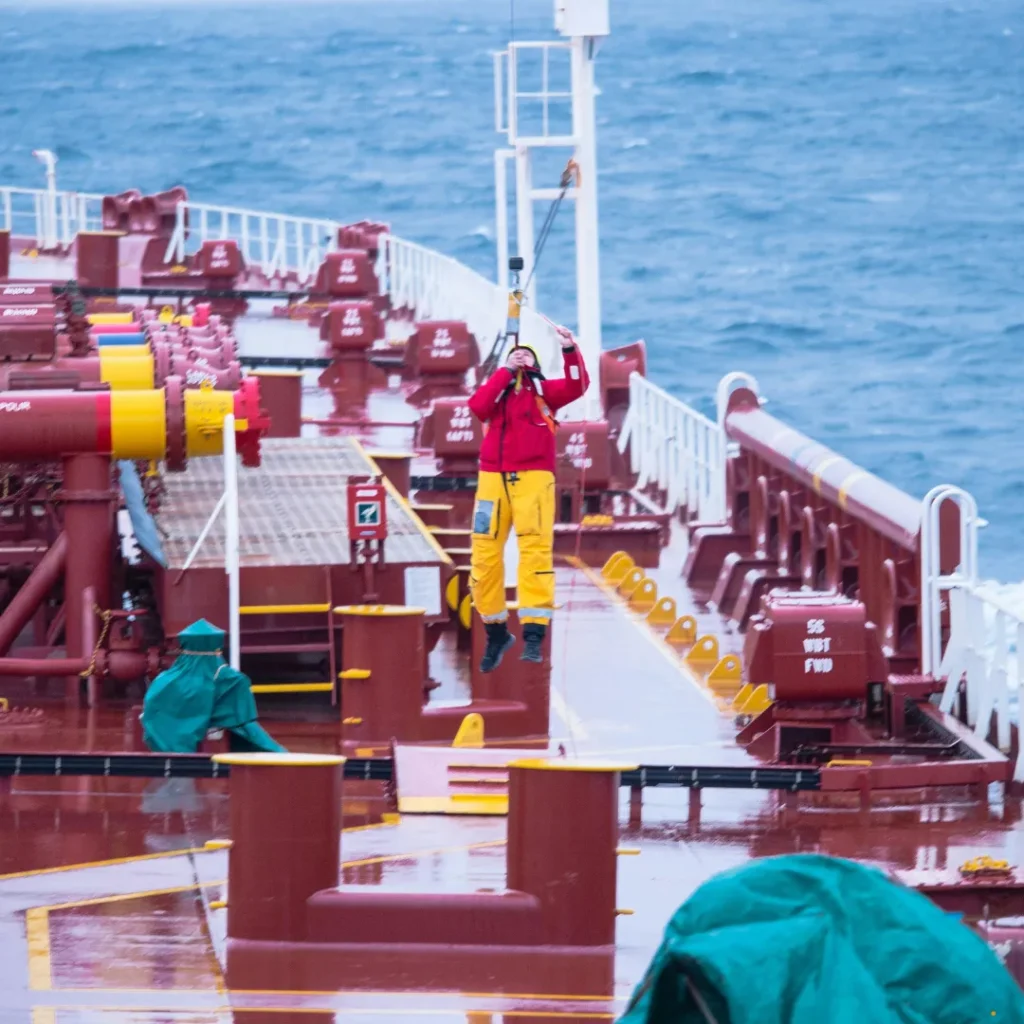
The OSHAA 30‑Hours Diploma in Emergency Operations and Safety at Sea is a comprehensive training program designed to prepare individuals for the unique challenges of working in marine environments. It focuses on essential areas such as emergency preparedness, crisis management, and safe operational practices onboard ships. The purpose of this diploma is to equip learners with the knowledge and confidence to respond effectively to emergencies, protect lives, and maintain a strong safety culture at sea.
Enrolling in this course provides learners with valuable benefits that go beyond basic awareness. Participants gain step‑by‑step guidance on managing emergencies such as fire outbreaks, flooding, equipment failures, and medical incidents at sea. The training also emphasizes hazard identification, safe use of emergency equipment, and effective communication during critical situations. By mastering these skills, learners contribute to safer shipboard operations, reduce risks, and improve overall efficiency in maritime workplaces.
Beyond technical expertise, the diploma also strengthens personal responsibility, discipline, and leadership qualities. Working at sea presents unique challenges such as confined spaces, unpredictable weather, and reliance on teamwork, and this program makes complex safety requirements easy to understand through practical examples and accessible content. Completing the diploma ensures participants are well‑prepared to handle emergencies with confidence, safeguard their colleagues, and support international standards of maritime safety. This makes the qualification valuable not only for professional growth but also for building a resilient and safety‑focused career at sea.
Course Overview
Awarding Body
OSHAA
Duration
30-Hours
Study Mood
Online
Assessment
Assignments Based
Course Study Units
- Introduction to Maritime Safety and Emergency Operations (3 Hours)
- Maritime Safety Regulations and International Standards (3 Hours)
- Risk Assessment and Hazard Identification at Sea (4 Hours)
- Emergency Communication Systems and Protocols (6 Hours)
- Fire Prevention and Firefighting Techniques on Vessels (4 Hours)
- Search and Rescue Operations and Procedures (4 Hours)
- Survival Skills and Life-Saving Equipment Use (3 Hours)
- Crisis Management and Incident Command at Sea (3 Hours)

Entry Requirements
Who Can Enroll
This diploma is designed for individuals who want to strengthen their knowledge and skills in emergency operations and shipboard safety, ensuring safer practices at sea.
- Learners interested in maritime safety and emergency response
- People working in marine, shipping, or offshore industries
- Individuals aiming to improve workplace safety and compliance onboard
- Professionals seeking practical knowledge of hazard prevention and crisis management
- Those who want globally applicable safety skills
Course Learning Outcomes
Introduction to Maritime Safety and Emergency Operations (3 Hours)
- Understand the fundamental principles of maritime safety and emergency operations
- Recognise the unique challenges and risks associated with sea environments
- Describe the roles and responsibilities of personnel during maritime emergencies
Maritime Safety Regulations and International Standards (3 Hours)
- Identify key maritime safety regulations and international conventions
- Understand compliance requirements for safety operations at sea
- Apply regulatory knowledge to ensure lawful and safe maritime practices
Risk Assessment and Hazard Identification at Sea (4 Hours)
- Conduct thorough risk assessments specific to maritime settings
- Identify common hazards and potential emergency scenarios onboard vessels
- Develop strategies to mitigate identified risks effectively
Emergency Communication Systems and Protocols (6 Hours)
- Explain the types and functions of emergency communication equipment used at sea
- Demonstrate proper use of communication protocols during maritime emergencies
- Coordinate efficient communication with rescue services and crew members
Fire Prevention and Firefighting Techniques on Vessels (4 Hours)
- Understand common causes of fire onboard and methods for prevention
- Learn firefighting equipment operation and firefighting strategies in maritime contexts
- Respond appropriately to onboard fire emergencies to minimise damage and risk
Search and Rescue Operations and Procedures (4 Hours)
- Describe the organisation and execution of maritime search and rescue (SAR) operations
- Apply standard procedures for effective rescue missions at sea
- Coordinate with SAR teams to enhance survival chances during emergencies
Survival Skills and Life-Saving Equipment Use (3 Hours)
- Demonstrate knowledge of survival techniques relevant to maritime emergencies
- Operate life-saving appliances such as lifeboats, life jackets, and emergency beacons
- Implement survival plans to maximise safety in emergency situations
Crisis Management and Incident Command at Sea (3 Hours)
- Understand the principles of crisis management in maritime contexts
- Coordinate incident command roles and responsibilities during emergencies
- Develop and implement effective response plans to manage maritime crises efficiently