ACS – GP USA Restaurant Kitchen Safety
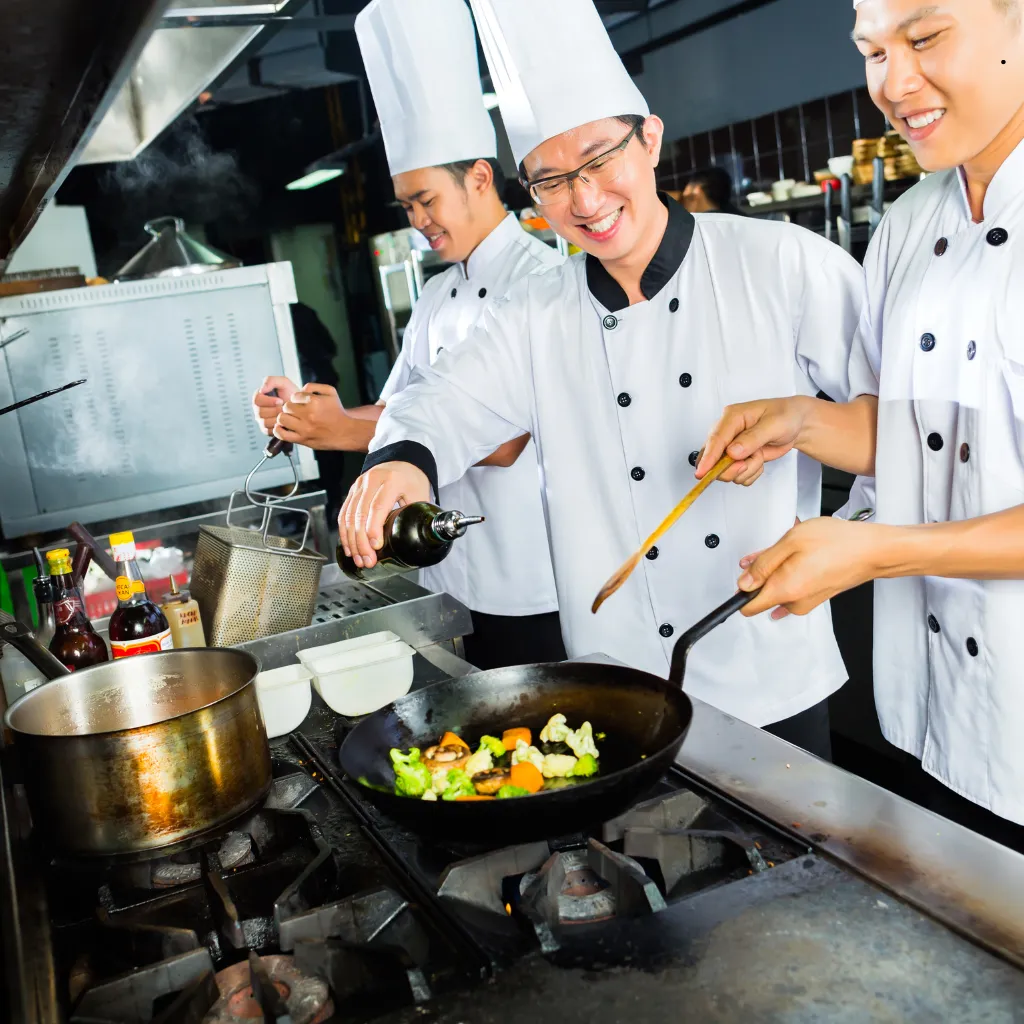
The ACS – GP USA Restaurant Kitchen Safety Course is a comprehensive professional training program designed to equip food service workers, chefs, kitchen staff, and supervisors with essential knowledge of maintaining a safe and hygienic kitchen environment. This course focuses on identifying workplace hazards commonly found in restaurant kitchens and implementing effective safety practices to prevent accidents, injuries, and food contamination.
Aligned with international food safety and occupational health standards, the course covers key areas such as kitchen hazard identification, fire safety procedures, safe use of kitchen equipment, slip and fall prevention, personal hygiene practices, chemical handling, and safe food preparation practices. Learners will also gain practical understanding of emergency response procedures, sanitation protocols, and compliance with workplace safety regulations in the food service industry.
The ACS – GP USA Restaurant Kitchen Safety Course is ideal for restaurant owners, chefs, kitchen assistants, catering staff, food handlers, and hospitality professionals working in fast-paced culinary environments. Upon completion, participants will be able to apply effective safety controls, reduce workplace risks, maintain hygiene standards, and ensure compliance with food safety regulations.
Course Overview
Awarding Body
ACS – GP
Duration
1 days
Study Mode
Online
Assessment
MCQ & Safety Drill
Course Objective
- Understand OSHA and FDA standards for restaurant kitchen safety and sanitation.
- Identify common kitchen hazards, such as burns, cuts, slips, and chemical exposures.
- Learn safe food handling and storage practices to prevent contamination.
- Develop skills to use kitchen equipment safely, including knives and ovens.
- Explore fire prevention and suppression techniques specific to kitchens.
- Gain knowledge of emergency response and first aid for kitchen injuries.
- Understand the importance of cleaning schedules and pest control in kitchens.
- Learn to conduct kitchen safety inspections and maintain compliance records.

Entry Requirements
- Minimum Age: Learners must be at least 18 years old.
- Educational Background: Basic literacy and numeracy skills are recommended.
- Language Proficiency: Good understanding of written and spoken English is required to follow safety instructions.
- Work Experience: Prior experience in restaurant, hospitality, or commercial kitchen environments is an advantage.
Who Can Enroll
This course is designed for individuals working in or responsible for maintaining safe practices in restaurant and commercial kitchen environments.
- Restaurant Owners and Managers
- Chefs and Head Cooks
- Kitchen Assistants and Commis Chefs
- Catering Staff and Food Service Workers
- Hospitality Industry Professionals
- Food Handlers and Preparers
- Kitchen Supervisors and Shift Leaders
- Hotel and Resort Kitchen Staff
- Cafeteria and Institutional Kitchen Workers
- Safety Officers in Food Service Operations
Course Learning Outcomes
- Demonstrate understanding and compliance with OSHA and FDA kitchen safety standards in restaurant and food service environments.
- Identify, assess, and control common kitchen hazards such as slips, burns, cuts, and electrical risks.
- Apply safe food handling, hygiene, and sanitation practices to prevent cross-contamination and foodborne illnesses.
- Operate kitchen equipment safely while following manufacturer guidelines and workplace safety procedures.
- Implement effective fire prevention measures and respond appropriately to kitchen fire incidents.
- Respond to kitchen emergencies, including injuries, burns, and accidents, using basic first aid principles.
- Maintain cleaning schedules, hygiene standards, and conduct routine kitchen safety inspections to ensure compliance.