ACS – GP USA Spill Prevention, Control, and Countermeasure (SPCC) Advanced
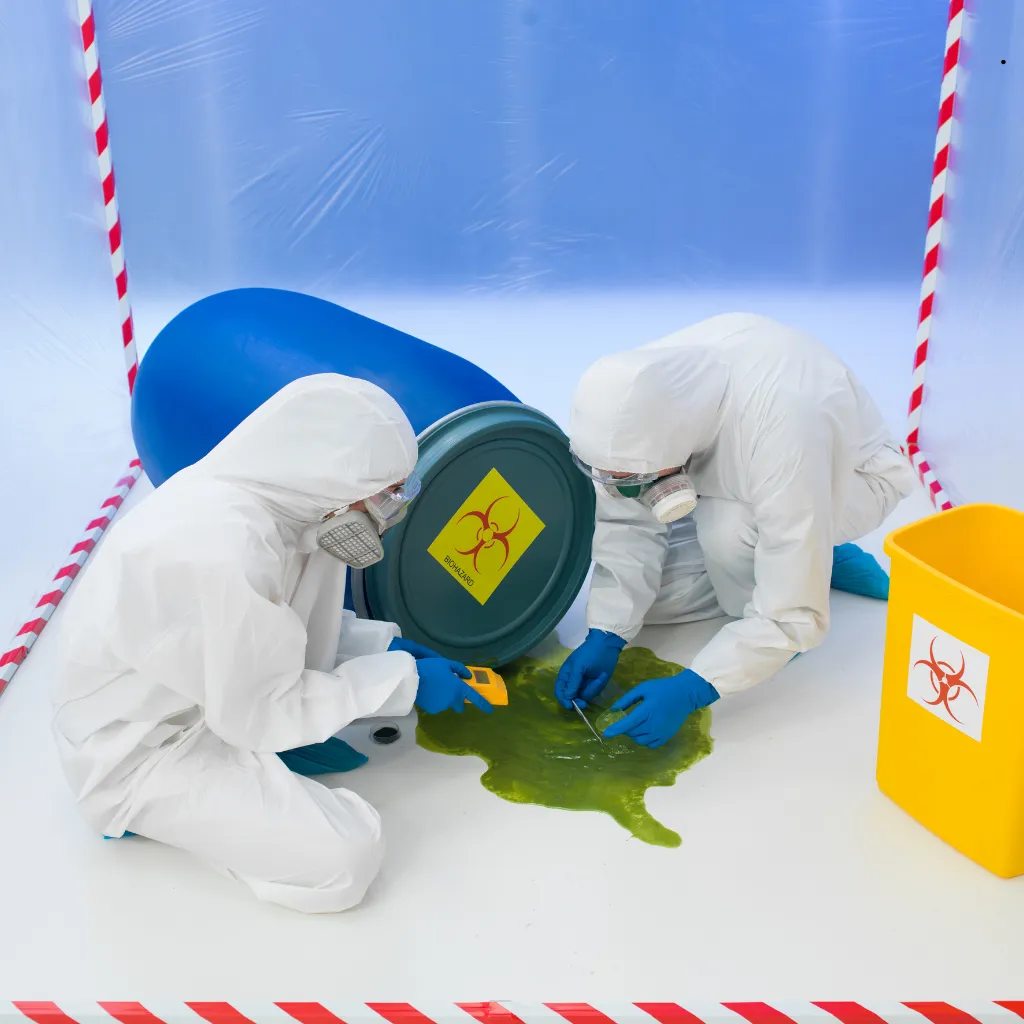
ACS – GP USA Spill Prevention, Control, and Countermeasure (SPCC) Advanced is a specialized training program designed to prepare professionals for advanced spill prevention planning, response coordination, and environmental protection compliance. The course aligns with EPA SPCC regulatory requirements, ensuring learners understand how to prevent oil discharges into navigable waters and protect surrounding ecosystems.
This advanced training focuses on practical spill control strategies, containment system design, secondary containment requirements, inspection procedures, emergency response planning, and risk assessment methodologies. Learners gain in-depth knowledge of SPCC plan development, implementation, and maintenance, along with reporting obligations and corrective action procedures.
ACS – GP USA SPCC Advanced certification is ideal for environmental health and safety professionals, compliance officers, engineers, facility managers, and emergency response personnel. It strengthens regulatory compliance, enhances operational readiness, and significantly reduces environmental risk exposure. Beyond certification, it builds leadership capability in spill prevention management, helping organizations maintain EPA compliance, avoid costly penalties, and achieve sustainable environmental protection goals.
Course Overview
Awarding Body
ACS – GP
Duration
2 day
Study Mode
Online
Assessment
MCQ & SPCC Exercise
Course Objective
- Understand advanced SPCC requirements for oil-handling facilities (40 CFR Part 112).
- Identify complex spill risks and vulnerabilities in facility operations.
- Develop comprehensive SPCC plans with advanced containment and secondary containment strategies.
- Conduct detailed spill prevention audits and inspections.
- Apply advanced spill response techniques, including containment and recovery.
- Navigate regulatory reporting workflows and coordination with relevant authorities.
- Design and deliver training and drills that improve SPCC program effectiveness.
- Maintain detailed SPCC documentation and compliance records.

Entry Requirements
- Minimum Age: Learners must be 18 years or above.
- Educational Background: Basic understanding of environmental safety, industrial operations, or engineering principles is recommended.
- Language Proficiency: Good command of written and spoken English is required to understand EPA regulations, technical documentation, and compliance procedures.
- Work Experience: Prior experience in oil and gas, chemical handling, manufacturing, transportation, environmental management, or industrial safety is highly beneficial but not mandatory.
Who Can Enroll
This course is designed for professionals responsible for preventing and managing oil and hazardous substance spills in industrial and environmental settings.
- Environmental health and safety (EHS) officers
- Spill response and emergency management personnel
- Oil and gas industry professionals
- Chemical plant and refinery staff
- Environmental compliance managers
- Facility and operations managers
- Transportation and logistics safety personnel
- Industrial maintenance and engineering teams
- Government and regulatory inspectors
- Professionals seeking advanced SPCC compliance expertise
Course Learning Outcomes
- Demonstrate advanced understanding of EPA SPCC regulatory requirements and compliance obligations in industrial operations.
- Identify, evaluate, and assess complex spill risks across storage, handling, and transportation systems.
- Develop, implement, and maintain comprehensive SPCC plans aligned with environmental protection standards.
- Plan and conduct detailed spill prevention audits, inspections, and compliance assessments.
- Execute advanced spill response, containment, and recovery procedures in emergency situations.
- Prepare accurate incident reports and coordinate effectively with regulatory authorities and response teams.
- Maintain complete SPCC documentation and lead internal training to strengthen organizational compliance and readiness.