ICTQual AB Level 3 Diploma in Laser Safety Officer (LSO)
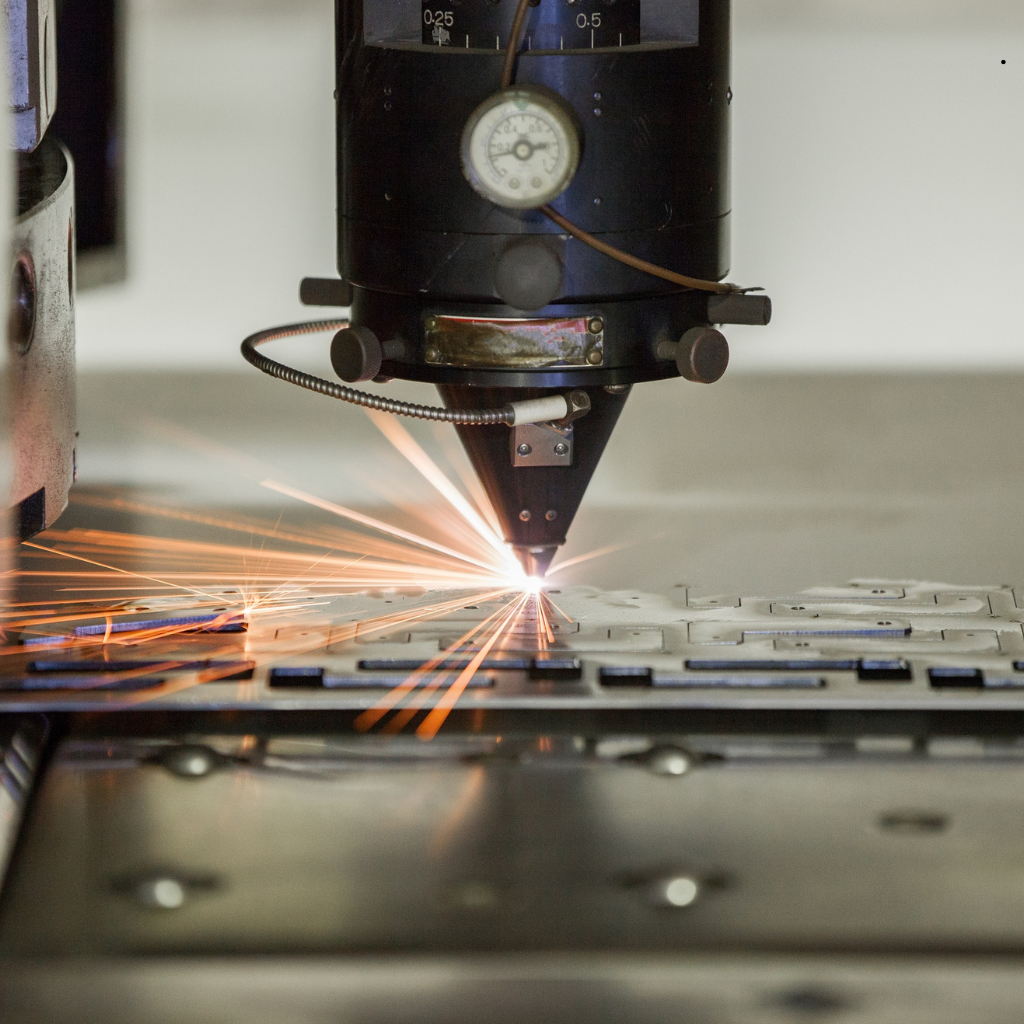
The ICTQual AB Level 3 Diploma in Laser Safety Officer (LSO) is a globally recognized qualification designed for professionals responsible for managing laser safety in workplaces where laser equipment is used. This Level 3 diploma provides essential training in laser hazard identification, risk assessment, control measures, and compliance with international laser safety standards and occupational health and safety regulations.
This course is highly relevant for individuals working in healthcare, hospitals, dermatology clinics, manufacturing industries, research laboratories, engineering sectors, and industrial environments where laser systems are part of daily operations. Learners develop practical competencies in laser classification, biological effects of laser radiation, safe system operation, and the implementation of effective laser safety programs within organizations.
The ICTQual AB Level 3 Diploma in Laser Safety Officer (LSO) is structured to meet industry requirements and supports career development for safety officers, technicians, supervisors, and quality assurance professionals. It enhances professional credibility and prepares learners to take responsibility for ensuring workplace laser safety compliance.
Course Overview
Awarding Body
ICTQual AB
Credits
30
Study Mode
Online
Assessment
Assignment Based
Course Study Units
- Fundamentals of Laser Physics and Technology
- Laser Classification, Hazards, and Risk Identification
- Laser Safety Standards, Regulations, and Compliance
- Personal Protective Equipment and Laser Control Measures
- Safe Laser Operation Procedures and Workplace Safety Management
- Roles, Responsibilities, and Professional Practice of a Laser Safety Officer

Entry Requirements
Who Can Enroll
This course is suitable for individuals who want to build or advance their career in laser safety and workplace risk management. It is ideal for:
- Laser operators working with medical, industrial, or research laser systems
- Health and safety officers responsible for workplace safety compliance
- Hospital and clinical staff using laser equipment (e.g., dermatology, ophthalmology, surgery)
- Laboratory technicians and research professionals handling laser devices
- Engineers and technical staff in manufacturing or industrial sectors
- Supervisors and managers overseeing laser-based operations
Course Learning Outcomes
Fundamentals of Laser Physics and Technology
- Understand the basic principles of laser generation and light properties.
- Explain key concepts such as wavelength, beam divergence, and coherence.
- Identify different types of lasers used in medical, industrial, and aesthetic fields.
- Describe how laser energy interacts with various materials and tissues.
- Recognize the factors that affect laser performance and efficiency.
- Distinguish between continuous-wave and pulsed laser systems.
- Understand common components of laser equipment and their functions.
- Apply foundational laser physics knowledge to workplace safety decisions.
Laser Classification, Hazards, and Risk Identification
- Identify laser classifications according to international safety standards.
- Recognize potential hazards associated with each class of laser device.
- Understand photochemical, thermal, and mechanical risks caused by laser exposure.
- Analyse workplace environments to identify laser-related risk factors.
- Distinguish between direct, reflected, and scattered beam hazards.
- Understand biological impacts on skin and eyes from improper laser use.
- Apply hazard identification methods to real-world laser applications.
- Document and assess risks for safe laser operation planning.
Laser Safety Standards, Regulations, and Compliance
- Understand global standards such as IEC, ANSI, and ISO for laser safety.
- Recognize regulatory requirements for operating laser systems in various sectors.
- Interpret key safety guidelines applicable to medical, industrial, and cosmetic workplaces.
- Maintain compliance with national workplace health and safety laws.
- Ensure appropriate safety documentation and reports are completed.
- Understand employer and operator responsibilities under regulatory frameworks.
- Implement safety procedures based on regulatory requirements.
- Promote a culture of compliance within the organization.
Personal Protective Equipment and Laser Control Measures
- Identify different types of laser protective eyewear and their specifications.
- Understand the importance of proper PPE selection for various laser wavelengths.
- Recognize the role of signage, barriers, and warning systems in laser control.
- Apply engineering control methods such as beam enclosures and interlocks.
- Implement administrative controls, including training and safety protocols.
- Understand how environmental factors influence PPE requirements.
- Ensure PPE is inspected, maintained, and properly used.
- Establish effective control measures to minimise operational risks.
Safe Laser Operation Procedures and Workplace Safety Management
- Develop standard operating procedures for safe laser use.
- Understand the importance of pre-operation equipment checks.
- Apply proper alignment, calibration, and maintenance protocols.
- Ensure safe workflow practices during laser treatments or applications.
- Implement emergency response measures for laser accidents.
- Maintain accurate records of laser operation and safety procedures.
- Conduct routine workplace inspections to ensure safety compliance.
- Promote a safe working culture through training and continuous monitoring.
Roles, Responsibilities, and Professional Practice of a Laser Safety Officer
- Understand the key responsibilities of a Laser Safety Officer in various settings.
- Oversee laser operation safety and ensure compliance with regulations.
- Conduct risk assessments and support hazard mitigation efforts.
- Manage safety documentation, logs, and incident reports.
- Provide guidance and training to operators and staff.
- Monitor workplace conditions and identify potential safety gaps.
- Collaborate with management to enforce laser safety policies.
- Uphold professional ethics and maintain high standards of practice.