ICTQual AB Level 3 International Diploma in Disaster and Emergency Management
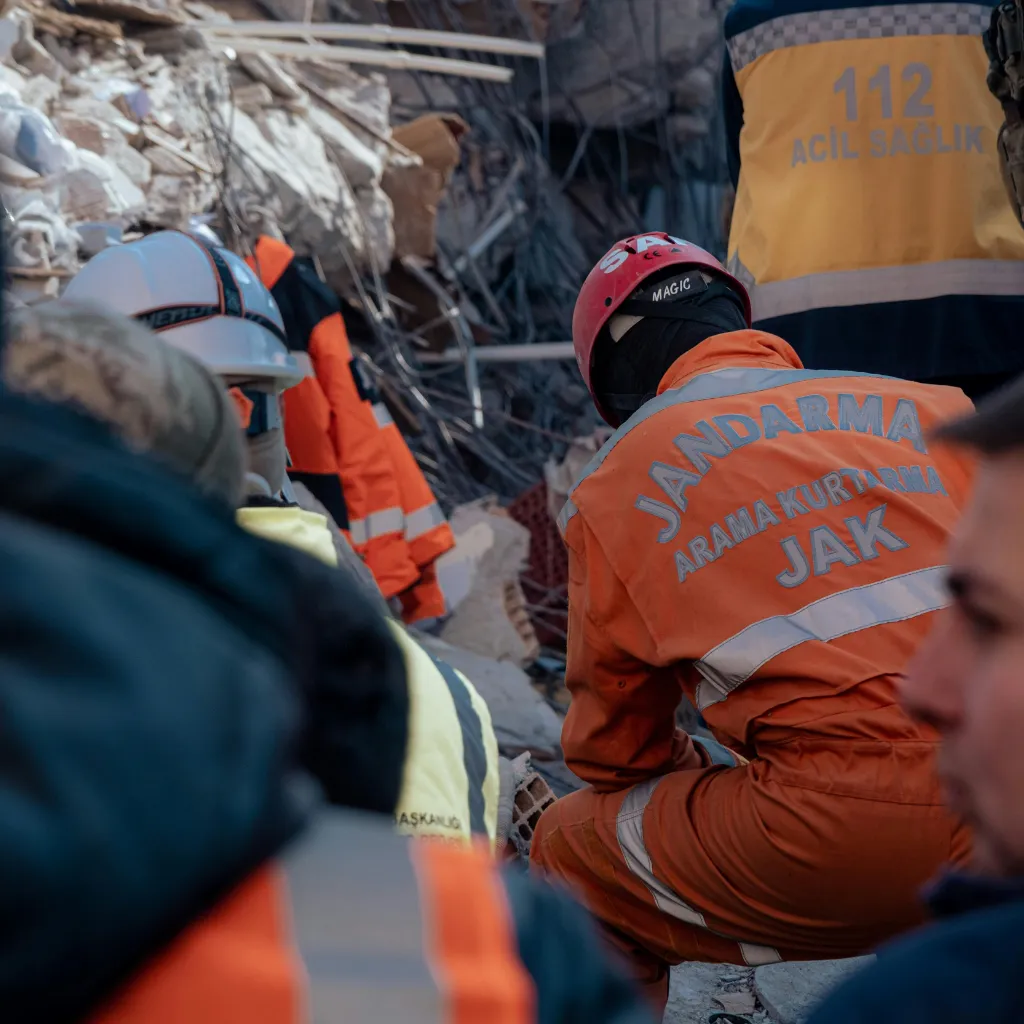
ICTQual AB Level 3 International Diploma in Disaster and Emergency Management provides learners with the essential knowledge and practical skills required to prepare for, respond to, and recover from emergency situations. This internationally recognized qualification introduces the core principles of disaster risk reduction, emergency planning, crisis response, and resilience-building strategies that are vital across both public and private sectors.
The programme explores key areas of disaster and emergency management, including hazard identification, risk assessment, emergency preparedness, incident response coordination, business continuity, and post-disaster recovery. Learners will develop a comprehensive understanding of how organizations, governments, and communities manage emergencies effectively while minimizing disruption, protecting lives, and safeguarding critical infrastructure.
Designed for aspiring emergency management professionals and individuals seeking to strengthen organizational resilience, this diploma supports career development across emergency services, humanitarian organizations, healthcare, public administration, security, and risk management sectors. Upon completion, learners will be equipped to contribute to emergency preparedness initiatives, support disaster response operations, and promote effective risk management practices that enhance community safety and organizational continuity.
Course Overview
Awarding Body
ICTQual AB
credits
60
Study Mode
Online
Assessment
Assignment Based
Study Units
- Introduction to Disaster and Emergency Management
- Risk Assessment and Hazard Analysis
- Emergency Planning and Preparedness
- Crisis Response and Incident Management
- Community Resilience and Recovery
- Professional Practices and Legal Consideration

Entry Requirements
- Minimum Age: Learners must be 18 years or above.
- Educational Background: A Level 2 qualification or equivalent is recommended. Backgrounds in public safety, healthcare, security, environmental studies, social sciences, or related fields are beneficial but not mandatory.
- Language Proficiency: A good command of English is required to understand course materials and complete assessments.
- Work Experience: No prior experience is required; however, experience or interest in emergency response, disaster management, risk assessment, or public safety is an advantage.
Who Can Enroll
This diploma is designed for individuals seeking knowledge and practical skills in disaster preparedness, emergency response, and risk management.
- Aspiring disaster and emergency management professionals
- Emergency response and public safety personnel
- Healthcare and humanitarian aid workers
- Risk management and business continuity professionals
- Security and emergency planning officers
- Government and local authority employees
- NGO and community resilience practitioners
- Individuals pursuing careers in crisis and disaster management
Course Learning Outcomes
Introduction to Disaster and Emergency Management
- Understand the fundamental concepts and terminology used in disaster and emergency management.
- Recognise the roles and responsibilities of professionals within disaster management frameworks.
- Identify different types of disasters and emergencies and their global impact.
- Appreciate the importance of preparedness and proactive risk mitigation.
- Develop a foundational understanding of international standards and practices in disaster management.
Risk Assessment and Hazard Analysis
- Learn techniques for identifying and assessing potential hazards in various environments.
- Evaluate risks and prioritise them based on likelihood and impact.
- Analyse historical data and case studies to understand patterns of disasters.
- Apply systematic approaches to reduce vulnerability and enhance safety.
- Develop practical skills in documenting and reporting risk assessments.
Emergency Planning and Preparedness
- Design effective emergency response and preparedness plans.
- Understand resource management and logistical planning in emergencies.
- Identify communication strategies to ensure efficient coordination during crises.
- Develop contingency plans for different types of emergencies.
- Evaluate preparedness measures to improve organisational and community resilience.
Crisis Response and Incident Management
- Apply procedures for immediate response during emergency situations.
- Coordinate teams and manage resources efficiently under pressure.
- Make informed decisions in high-stakes and time-sensitive scenarios.
- Use incident management frameworks to ensure structured responses.
- Analyse responses post-incident to identify improvements and lessons learned.
Community Resilience and Recovery
- Understand strategies to support affected communities during and after disasters.
- Develop recovery plans that promote sustainable rebuilding and resilience.
- Engage with stakeholders to ensure collaborative recovery efforts.
- Assess social, economic, and environmental impacts of disasters.
- Implement programs that strengthen long-term community preparedness and well-being.
Professional Practices and Legal Considerations
- Recognise ethical responsibilities and professional standards in disaster management.
- Understand relevant legal frameworks and compliance requirements.
- Apply safety and risk protocols in professional practice.
- Develop professional communication and reporting skills for emergency contexts.
- Evaluate policies and procedures to maintain accountability and best practice standards.