ICTQual AB Level 3 International Diploma in Environmental Engineering and Management
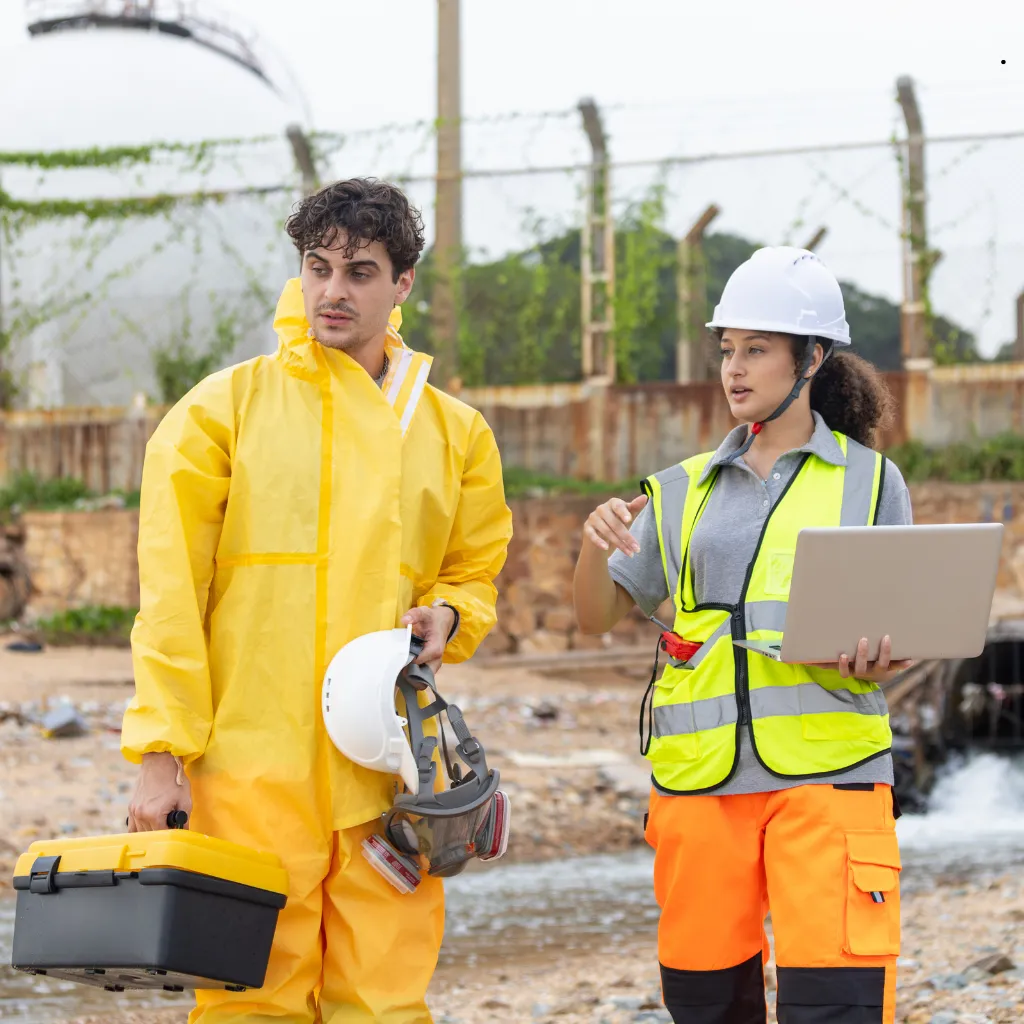
Environmental protection is no longer just a trend; it is a critical part of how every modern business operates. Governments are passing stricter laws on waste, water use, and air pollution, which means companies must change their methods immediately. However, there is a major problem in the industry today: many people care about the planet, but very few have the technical training to manage industrial impact on the ground. This has created a massive skill gap where businesses have green goals but no one to implement the actual engineering solutions.
The ICTQual AB Level 3 International Diploma bridges this gap by providing a solid, practical foundation in environmental care. Instead of just talking about climate change, the course teaches a learner how to manage waste systems, monitor pollution levels, and follow environmental laws. It moves away from complex theories and focuses on the “how-to” of green management. This ensures that you can help a company stay legal and reduce its footprint from day one.
By starting this diploma, you are gaining the exact skills that industries like construction, manufacturing, and energy are looking for. It turns an interested beginner into a capable environmental assistant who understands the technical side of sustainability. This course is a direct route to a stable career, helping you fill the urgent need for trained professionals who can balance industrial growth with nature’s safety.
Course Overview
Awarding Body
ICTQual AB
Credits
60
Study Mode
Online
Assessment
Assignment Based
Course Study Units
Foundation and Core Knowledge
- Introduction to Environmental Engineering and Management
- Sustainable Resource and Waste Management
- Environmental Impact Assessment and Risk Management
- Environmental Legislation and Compliance
- Water, Air, and Soil Management
- Environmental Project Planning and Leadership

Entry Requirements
Applicants are normally expected to meet the following requirements:
Who Can Enroll
This course is built for people who want to turn their interest in the environment into a professional job. It is perfect for those who want to learn the technical side of going green.
- Individuals looking to start their first professional job in environmental protection or waste management.
- Workers in factories or construction sites who want to take on new duties in pollution control.
- Staff members in charge of office sustainability who want a recognized certificate to back up their work.
- People wanting to work for local government or environmental agencies in assistant roles.
- Anyone looking for an international qualification that makes it easier to find green jobs abroad.
Course Learning Outcomes
Learning Outcomes for the ICTQual AB Level 3 International Diploma in Environmental Engineering and Management:
Foundation and Core Knowledge
Introduction to Environmental Engineering and Management
- Understand the fundamental principles of environmental engineering and the importance of sustainable practices in modern industries.
- Recognise the roles and responsibilities of individuals and organisations in implementing environmentally responsible solutions.
- Identify environmental challenges, including pollution, resource depletion, and climate change, and their impact on communities and ecosystems.
- Develop awareness of environmental management systems and their role in improving organisational sustainability.
- Apply basic environmental engineering concepts to practical workplace and community scenarios.
Sustainable Resource and Waste Management
- Identify methods for sustainable use of natural resources, including energy, water, and raw materials.
- Understand the principles of waste management, recycling, and reduction strategies in industrial and commercial settings.
- Analyse the environmental impact of resource consumption and waste generation to recommend effective mitigation strategies.
- Develop skills to implement resource conservation initiatives and monitor their effectiveness over time.
- Evaluate innovative technologies and practices that promote sustainability in resource and waste management.
Environmental Impact Assessment and Risk Management
- Understand the purpose and process of environmental impact assessments (EIA) for projects and operations.
- Identify potential environmental risks and hazards, including ecological, social, and health-related impacts.
- Conduct risk analysis and evaluation to support informed decision-making in environmental management.
- Develop strategies to mitigate, monitor, and manage environmental risks effectively.
- Prepare reports and recommendations based on environmental assessments for regulatory compliance and organisational planning.
Environmental Legislation and Compliance
- Understand national and international environmental laws, regulations, and standards applicable to engineering and management practices.
- Interpret legal requirements and ensure organisational operations meet environmental compliance obligations.
- Evaluate the impact of legislation on industrial processes, waste management, and sustainability initiatives.
- Develop strategies to implement compliance measures and maintain regulatory adherence.
- Monitor changes in legislation and update environmental management practices to ensure ongoing compliance.
Water, Air, and Soil Management
- Understand the principles of water, air, and soil conservation and management in environmental engineering.
- Identify sources of pollution and implement measures to control environmental contamination.
- Apply techniques for monitoring and improving the quality of water, air, and soil in industrial and community settings.
- Develop sustainable management plans for natural resources to support environmental protection objectives.
- Evaluate emerging technologies and methods for remediation, conservation, and environmental restoration.
Environmental Project Planning and Leadership
- Understand the fundamentals of planning, executing, and managing environmental projects effectively.
- Develop leadership and team management skills for implementing sustainability initiatives.
- Apply project management principles to plan timelines, allocate resources, and monitor environmental project outcomes.
- Communicate project goals, progress, and results to stakeholders, ensuring transparency and accountability.
- Evaluate project performance and recommend improvements for future environmental management initiatives.