QualCert Level 3 Award in National Water Safety Management Programme (NWSMP) – DEFRA
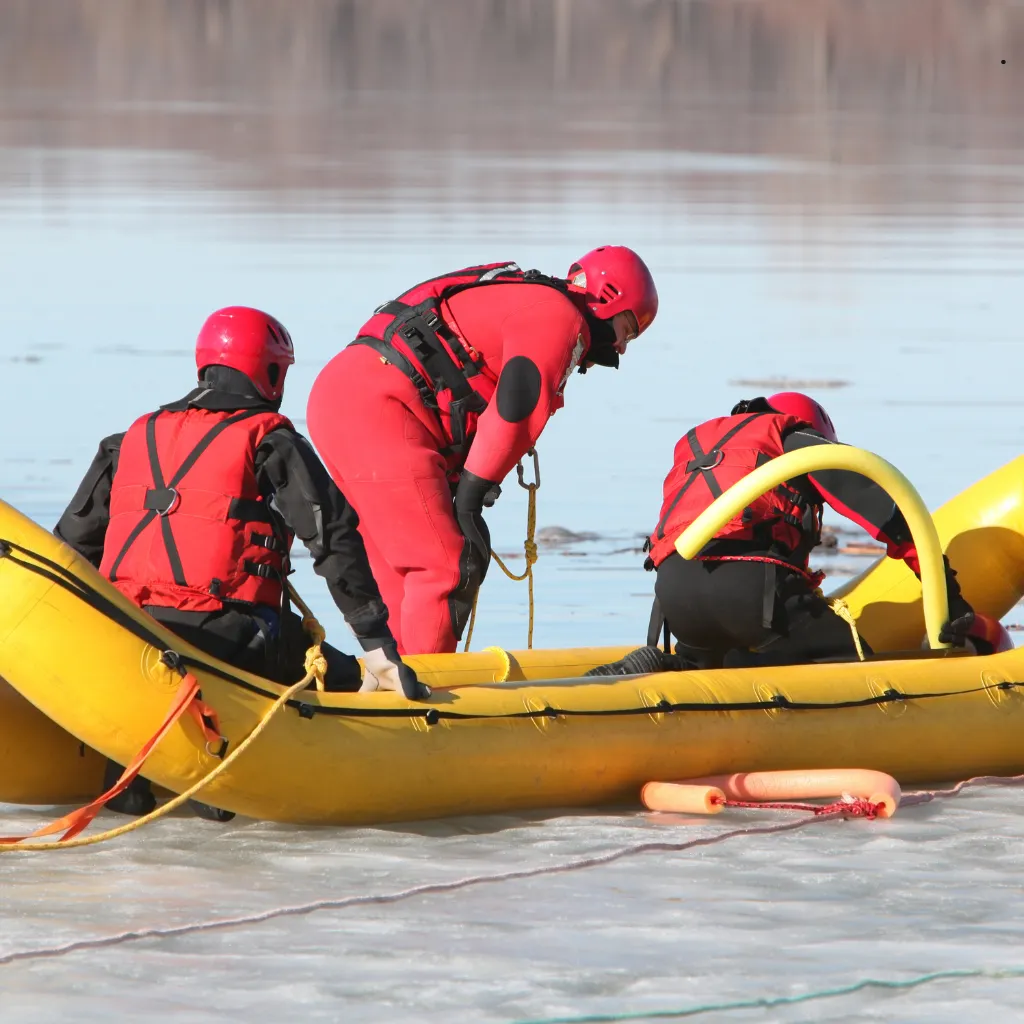
The QualCert Level 3 Award in National Water Safety Management Programme (NWSMP) – DEFRA is a specialized qualification designed to provide learners with the knowledge and practical understanding required to manage water safety risks in accordance with recognized best practices. Water safety management plays a critical role in protecting public health, ensuring regulatory compliance, and maintaining safe water systems across commercial, industrial, healthcare, hospitality, and public sector environments. This course introduces key principles of water hygiene, hazard identification, risk assessment, monitoring procedures, and preventive control measures that support effective water safety management.
Developed for professionals responsible for maintaining safe water systems, the programme focuses on implementing structured water safety plans, monitoring water quality, preventing contamination, and minimizing risks associated with waterborne hazards. Learners gain valuable insight into legal responsibilities, inspection procedures, documentation requirements, corrective actions, and continuous improvement strategies. The curriculum also emphasizes operational compliance, emergency response planning, and proactive management techniques that help organizations maintain safe, efficient, and sustainable water systems.
Completing the QualCert Level 3 Award in National Water Safety Management Programme (NWSMP) – DEFRA enhances professional competence while supporting career progression within facilities management, environmental health, public health, construction, utilities, manufacturing, and compliance-related industries. The qualification prepares learners to contribute confidently to organizational water safety programmes, improve operational performance, reduce compliance risks, and strengthen public confidence through effective implementation of nationally recognized water safety management practices.
Course Overview
Awarding Body
QualCert
Credits
6 Credits
Study Mode
Online
Assessment
Assessment Based
Study Units
- Introduction to Water Safety Principles
- Recognising and Assessing Water-related Hazards
- Planning and Preparing for Safe Activities Near Water
- Incident Prevention and Emergency Response Strategies
- Use of Non-specialist Rescue Equipment and Techniques
- Legal, Ethical and Organisational Responsibilities in Water Safety

Entry Requirements
- Minimum Age: 16 years or above.
- Educational Background: Secondary school qualification or equivalent.
- Language Proficiency: Basic English reading, writing, and communication skills.
- Work Experience: No prior experience required; relevant workplace experience is beneficial.
Who Can Enroll
Level 3 Award in National Water Safety Management qualification is ideal for individuals involved in water safety, compliance, and facility operations.
- Facilities managers and supervisors
- Water safety officers
- Environmental health professionals
- Building maintenance personnel
- Health and safety practitioners
- Compliance and quality officers
- Construction and engineering professionals
- Hospitality and healthcare facility staff
Course Learning Outcomes
Introduction to Water Safety Principles
- Understand the fundamental concepts of water safety and their importance
- Recognise the roles and responsibilities of individuals and organisations in water safety management
- Identify common water-related risks and the principles of accident prevention
Recognising and Assessing Water-related Hazards
- Identify various water hazards found in inland, coastal, and controlled environments
- Conduct effective hazard identification and dynamic risk assessments
- Evaluate environmental and situational factors that increase risk near water
Planning and Preparing for Safe Activities Near Water
- Develop comprehensive safety plans for activities involving water environments
- Implement control measures and supervision requirements appropriate to activity type and group
- Prepare emergency action plans tailored to specific water-related scenarios
Incident Prevention and Emergency Response Strategies
- Recognise early warning signs of potential water-related incidents
- Apply preventative measures to minimise risks during activities near water
- Demonstrate appropriate emergency response actions including alerting and assisting until help arrives
Use of Non-specialist Rescue Equipment and Techniques
- Demonstrate safe and effective use of basic rescue equipment such as throwlines and reach poles
- Apply non-contact rescue techniques suitable for untrained responders
- Understand personal safety considerations during rescue attempts
Legal, Ethical and Organisational Responsibilities in Water Safety
- Understand relevant legislation, codes of practice, and organisational policies relating to water safety
- Apply ethical decision-making in managing water safety and responding to incidents
- Recognise the importance of compliance with legal and organisational requirements to maintain safety standards