ACS – GP USA Safe Work Practices Near Power Lines
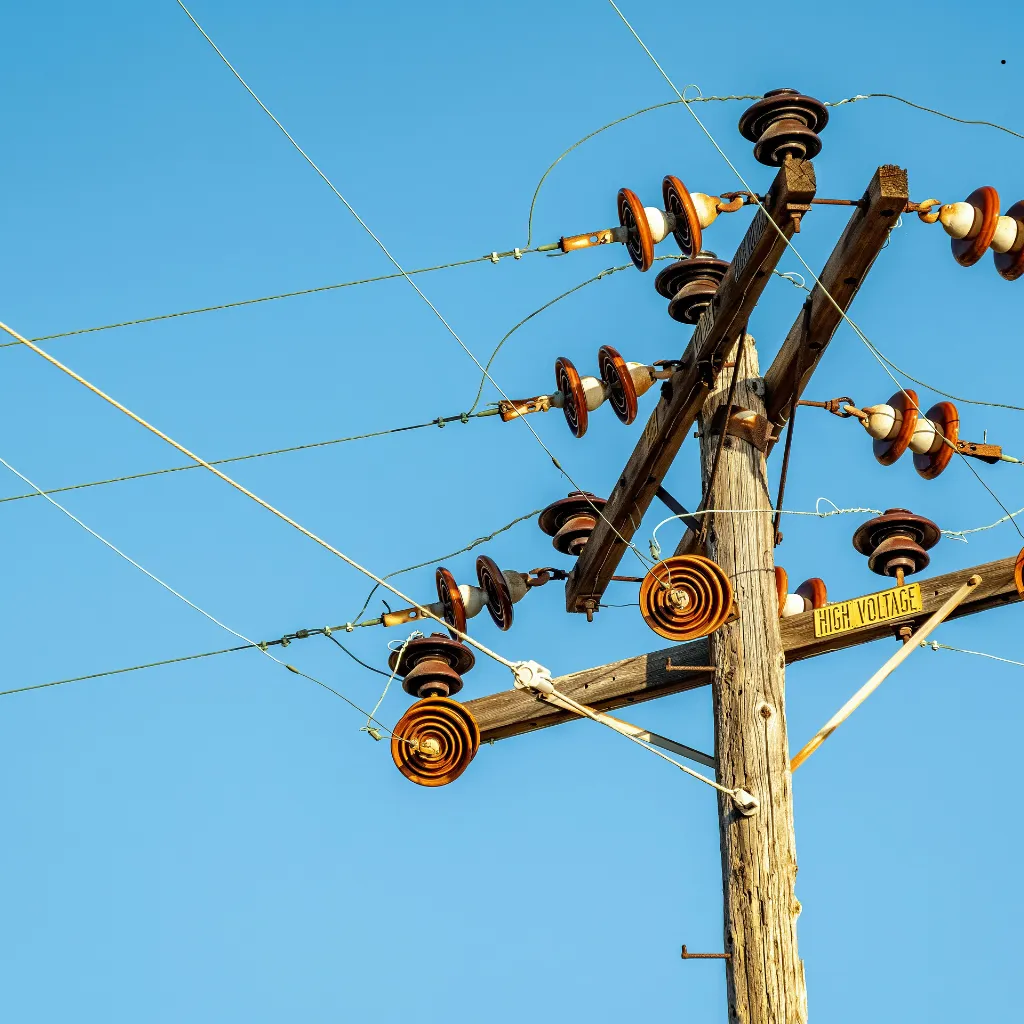
The ACS – GP USA Safe Work Practices Near Power Lines course is designed to provide workers, supervisors, contractors, and safety professionals with the knowledge and skills required to work safely in environments where overhead or underground electrical power lines are present. Electrical contact incidents remain one of the leading causes of serious workplace injuries and fatalities, making power line safety a critical component of workplace risk management.
Throughout the program, participants will learn how to identify power line hazards, recognize minimum approach distances, conduct risk assessments, and implement effective control measures when operating equipment or performing tasks near energized electrical systems. The training covers safe work procedures, emergency response actions, communication requirements, and the responsibilities of workers and employers in maintaining electrical safety.
Upon successful completion, learners will be better prepared to minimize electrical hazards, support organizational safety objectives, and contribute to a culture of risk awareness and regulatory compliance. This course is ideal for professionals working in construction, utilities, telecommunications, transportation, maintenance, and other industries where exposure to power line hazards is a potential workplace risk.
Course Overview
Awarding Body
ACS – GP
Duration
1 day
Study Mode
Online
Assessment
Safety Evaluation Exam
Course Objective
- Understand OSHA and NFPA 70E standards for working near power lines.
- Identify electrical hazards associated with overhead and underground power lines.
- Learn safe work practices, including maintaining clearance distances and grounding procedures.
- Develop skills to assess and control risks when working near power lines.
- Explore the use of personal protective equipment (PPE) and insulated tools for electrical safety.
- Gain knowledge of emergency response procedures for power line incidents.
- Understand the importance of communication and coordination with utility providers.
- Learn to document safety measures and incidents for compliance and reporting.

Entry Requirements
- Minimum Age: Learners must be 18 years or older.
- Educational Background: Basic literacy and numeracy skills are recommended.
- Language Proficiency: Good understanding of written and spoken English is required to follow safety instructions and procedures.
- Work Experience: Prior experience in construction, utilities, maintenance, or industrial environments is beneficial but not mandatory for enrollment.
Who Can Enroll
This course is designed for individuals who work in environments where there is a risk of exposure to overhead or underground power lines. It is ideal for:
- Construction workers and site operatives
- Crane and lifting equipment operators
- Electrical and utility line workers
- Telecommunications technicians and installers
- Road maintenance and infrastructure workers
- Heavy machinery and plant operators
- Maintenance and repair personnel
- Site supervisors, engineers, and safety officers
Course Learning Outcomes
- Participants will demonstrate understanding and compliance with OSHA and NFPA standards for safe work near power lines.
- Learners will identify electrical hazards and apply effective risk control measures in high-risk environments.
- Attendees will implement safe work procedures, including minimum approach distances, grounding practices, and safe equipment operation.
- Graduates will correctly select and use PPE, insulated tools, and protective systems during electrical hazard exposure.
- Participants will respond effectively to power line emergencies, including shock incidents and contact events.
- Learners will coordinate safely with utility providers and relevant authorities to ensure controlled work conditions.
- Attendees will document safety procedures, inspections, and incident reports in accordance with workplace requirements.